Table of Contents
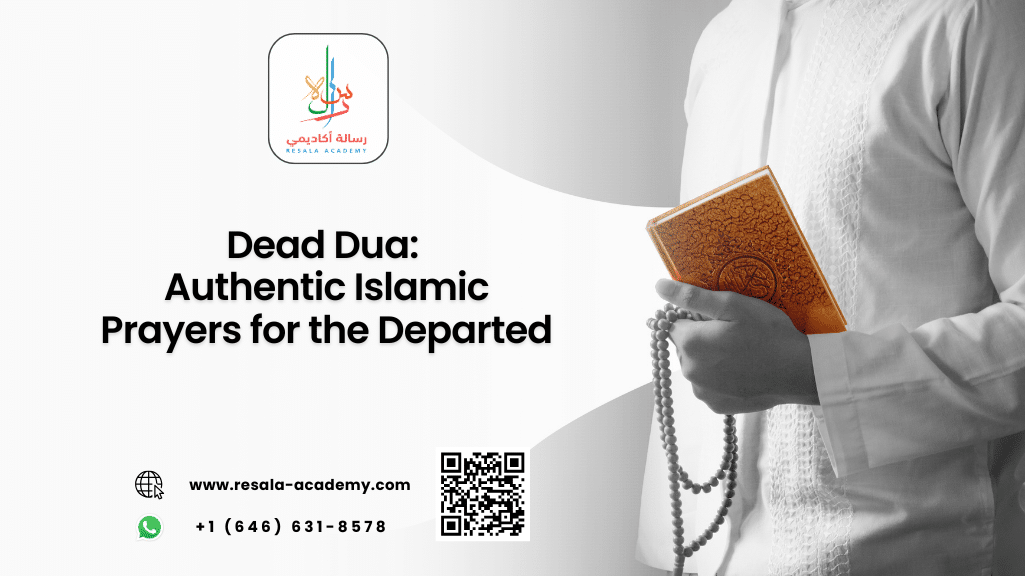
Dead Dua: Authentic Islamic Prayers for the Departed
Losing a loved one is one of life’s most profound trials. In those tender moments of grief, many Muslims search for the right dead dua to comfort their hearts and continue benefiting their departed family members. The beauty of Islam is that our connection with those who have passed does not end at the grave — through sincere prayer, we can keep sending mercy, forgiveness, and light to their souls.
Whether you have lost a parent, spouse, child, or close friend, knowing the authentic dua for the dead in Islam empowers you to fulfill one of the most beloved acts of worship: invoking Allah’s mercy for those who can no longer pray for themselves. This guide presents the most powerful and authentic Arabic dua for the dead, drawn directly from the Quran and the teachings of Prophet Muhammad ﷺ.
If you wish to recite these duas with proper Tajweed and understand their deep meanings in their original Arabic, you can begin your Quran journey with Resala Academy and learn from certified native Arabic-speaking tutors who guide you with patience and care.
Understanding the Significance of Dua for the Dead in Islam
Before exploring specific prayers, it is essential to understand why this practice holds such a sacred place in our faith.
What Is a Dead Dua?
A dead dua is any supplication a living Muslim recites on behalf of someone who has passed away. The Arabic word dua (دعاء) means “invocation” or “calling upon Allah.” In the context of death, this includes prayers for forgiveness (maghfirah), mercy (rahmah), elevation in Paradise (darajāt), and protection from punishment in the grave.
These duas are not mere rituals — they are spiritual gifts. They remain among the few things that continue to benefit the deceased long after their earthly life has ended.
Why Reciting Dua for Dead Muslims Matters
Islam teaches that the bond between the living and the deceased remains alive through prayer. A sincere dua for dead person in Islam can:
- Bring forgiveness for sins the deceased could not repent from in their lifetime.
- Elevate their rank in Paradise through your heartfelt invocation.
- Strengthen the bond of love between you and your departed loved one.
- You will earn immense reward, as Allah loves those who care for others, even after death.
This act is especially meaningful for children whose parents have passed — continuing to pray for them is among the highest forms of righteousness in Islam.
Authentic Arabic Dua for the Dead from the Sunnah
The most powerful duas are those taught to us directly by Allah and His Messenger ﷺ.
General Islamic Dua for the Dead
The Prophet Muhammad ﷺ taught us a comprehensive Muslim dua for the dead to recite during the Janazah (funeral) prayer and any time we wish to pray for a deceased believer:
Arabic:
اللَّهُمَّ اغْفِرْ لَهُ وَارْحَمْهُ، وَعَافِهِ وَاعْفُ عَنْهُ، وَأَكْرِمْ نُزُلَهُ، وَوَسِّعْ مُدْخَلَهُ، وَاغْسِلْهُ بِالْمَاءِ وَالثَّلْجِ وَالْبَرَدِ، وَنَقِّهِ مِنَ الْخَطَايَا كَمَا يُنَقَّى الثَّوْبُ الْأَبْيَضُ مِنَ الدَّنَسِ
Transliteration:
Allāhumma-ghfir lahu warhamhu, wa ‘āfihi wa’fu ‘anhu, wa akrim nuzulahu, wa wassi’ mudkhalahu, waghsilhu bil-mā’i wath-thalji wal-barad, wa naqqihi minal-khatāyā kamā yunaqqath-thawbul-abyaḍu minad-danas.
Translation:
“O Allah, forgive him and have mercy on him, grant him strength and pardon him. Be generous to him and widen his entry. Wash him with water, snow, and hail. Cleanse him of his sins as a white robe is cleansed of stains.”
When praying for a female, simply replace lahu (لَهُ) with lahā (لَهَا), forming the appropriate dua for dead female loved ones.
Dua for Maghfirat for Dead Loved Ones
The word maghfirat (مغفرة) means complete forgiveness. This short, powerful dua maghfirat for dead Muslims is highly recommended:
Arabic: اللَّهُمَّ اغْفِرْ لِحَيِّنَا وَمَيِّتِنَا
Transliteration: Allāhumma-ghfir li ḥayyinā wa mayyitinā.
Translation: “O Allah, forgive our living and our dead.”
Because it includes the entire ummah (Muslim community), it is a perfect daily recitation.
Read more about: What to Say When Someone Passed Away in Islam: A Guide
Specific Dua for Dead Parents in Islam
The relationship between parents and children is sacred in Islam, and praying for deceased parents carries immense reward.
Dua for Dead Parents from the Quran
Allah Himself taught us this short yet emotional dua for the dead parents:
Arabic: رَّبِّ ارْحَمْهُمَا كَمَا رَبَّيَانِي صَغِيرًا
Transliteration: Rabbi-rḥamhumā kamā rabbayānī ṣaghīrā.
Translation: “My Lord, have mercy upon them as they brought me up [when I was] small.” (Quran 17:24)
This dua for the dead father and mother together reminds us of our parents’ sacrifices and asks Allah to repay them with infinite mercy.
Personalized Dua for Dead Father and Dead Mother
For a dua for dead dad specifically:
اللَّهُمَّ اغْفِرْ لِأَبِي وَارْحَمْهُ — “O Allah, forgive my father and have mercy on him.”
For a dua for dead mother:
اللَّهُمَّ اغْفِرْ لِأُمِّي وَارْحَمْهَا — “O Allah, forgive my mother and have mercy on her.”
These brief invocations can be recited after every prayer, before sleep, or during any quiet moment of remembrance.
When and How to Recite Dua for the Dead Person
Knowing the right times enhances the spiritual impact of your prayers.
Key Occasions for Reciting Dead Duas
| Occasion | Recommended Practice |
|---|---|
| Janazah Prayer | Full forgiveness dua taught by the Prophet ﷺ |
| Visiting Graves | Greeting and dua for all deceased Muslims |
| After Daily Salah | Short personalized duas for loved ones |
| Tahajjud (Late Night) | Sincere duas in the last third of the night |
| Friday (Jumu’ah) | Extra recommended due to the special blessings of the day |
A Simple Process to Recite With Sincerity
The format of your dua to the dead matters less than your sincerity. Follow these steps:
- Begin with praise of Allah and salawat (sending blessings) upon the Prophet ﷺ.
- Mention the deceased by name when possible.
- Ask specifically for forgiveness, mercy, and Paradise.
- End with “Ameen” and renewed praise of Allah.
To memorize and pronounce these duas correctly, explore the Quran and Arabic courses offered at Resala Academy for guided learning at your own pace.
Quranic and Hadith Evidence for the Dead Dua
Authentic Islamic practice always rests on solid evidence from the Quran and Sunnah.
Quranic Verse Supporting Dua for the Dead
Allah praises those who pray for the believers who came before them:
Arabic:
وَٱلَّذِينَ جَآءُو مِنۢ بَعْدِهِمْ يَقُولُونَ رَبَّنَا ٱغْفِرْ لَنَا وَلِإِخْوَٰنِنَا ٱلَّذِينَ سَبَقُونَا بِٱلْإِيمَـٰنِ وَلَا تَجْعَلْ فِى قُلُوبِنَا غِلًّۭا لِّلَّذِينَ ءَامَنُوا۟ رَبَّنَآ إِنَّكَ رَءُوفٌۭ رَّحِيمٌ
Translation:
“And [there is a share for] those who come after them, saying, “Our Lord, forgive us and our brothers who preceded us in faith and put not in our hearts [any] resentment toward those who have believed. Our Lord, indeed You are Kind and Merciful.” (Quran 59:10)
Explanation: This verse establishes that praying for deceased believers is a noble quality of true Muslims. Allah Himself records this practice with approval, showing that our duas reach the dead and benefit them by His permission.
Authentic Hadith on the Dua for Dead Person
The Messenger of Allah ﷺ said:
Arabic:
إِذَا مَاتَ الإِنْسَانُ انْقَطَعَ عَنْهُ عَمَلُهُ إِلاَّ مِنْ ثَلاَثَةٍ إِلاَّ مِنْ صَدَقَةٍ جَارِيَةٍ أَوْ عِلْمٍ يُنْتَفَعُ بِهِ أَوْ وَلَدٍ صَالِحٍ يَدْعُو لَهُ
Translation:
“When a man dies, his acts come to an end, but three, recurring charity, or knowledge (by which people) benefit, or a pious child, who prays for him (for the deceased).” (Sahih Muslim 1631 — Sunnah.com)
Explanation: This hadith confirms that the dua of a righteous child directly benefits deceased parents. It motivates us both to raise children with strong faith and to become that righteous voice praying for our own departed loved ones.
Read more about: The 5 Pillars of Faith in the Muslim Religion Explained
Practical Examples for Non-Native Arabic Learners
Understanding the Arabic vocabulary deepens your spiritual connection to these prayers.
Key Arabic Words in Dead Duas
| Arabic Word | Pronunciation | Meaning |
|---|---|---|
| اغْفِرْ | Ighfir | Forgive |
| ارْحَمْ | Irḥam | Have mercy |
| رَبِّ | Rabbi | My Lord |
| وَالِدَيَّ | Wālidayya | My parents |
| الْمَيِّت | Al-mayyit | The deceased (male) |
| الْمَيِّتَة | Al-mayyitah | The deceased (female) |
Pronunciation Tip for Beginners
The word “اغْفِرْ” (Ighfir) begins with a soft “i” sound, followed by the deep throat letter “غ” (Ghayn) — pronounced from the back of the throat, similar to a French “r.” Practicing this with a qualified instructor ensures your duas are not only meaningful but also beautifully and correctly recited.
This is exactly the kind of personalized guidance students receive in Resala Academy’s online Tajweed classes, where native Egyptian instructors patiently coach learners in proper Arabic articulation.
Begin Your Journey with Authentic Quran Learning at Resala Academy
Reading translations is meaningful — but reciting and understanding the original Arabic transforms your dua for a dead person in Islam from mere words into a heartfelt conversation with your Lord.
At Resala Academy, our certified Egyptian Arabic-speaking tutors specialize in teaching non-native speakers how to:
- Pronounce Arabic duas correctly with proper Tajweed rules.
- Understand the deep meanings behind each word and phrase.
- Memorize duas confidently using proven, gentle techniques.
- Apply Islamic knowledge to daily worship and life’s biggest moments.
Whether you are a complete beginner reciting your first dua or an advanced learner seeking deeper meaning, our flexible one-on-one classes adapt to your schedule and pace. With consistent 5-star ratings on both Google and Trustpilot, families across the USA, UK, and worldwide trust us to nurture their spiritual journey.
👉 Book your free trial class today and start reciting beautiful, authentic duas for your loved ones with confidence.
Frequently Asked Questions
1. Can I recite a dua for a dead non-Muslim relative?
According to mainstream Sunni scholars, we cannot seek forgiveness for someone who passed away upon disbelief, as stated in the Quran 9:113. However, you may pray for guidance for living non-Muslim relatives and ask Allah for general mercy in worldly matters concerning them.
2. What is the best dua for dead person in Islam in English?
While Arabic carries the most reward and precision, sincere duas in English are accepted. A simple, powerful version is: “O Allah, forgive [name], have mercy on them, and grant them the highest Paradise.” Learning the original Arabic version, however, brings the full blessing of the Prophet’s ﷺ exact teachings.
3. How often should I recite duas for my dead parents?
There is no fixed limit. Recite after every salah, during Tahajjud, on Fridays, and whenever you remember them. Consistency — even with short duas — is more beloved to Allah than occasional long supplications.
4. Is it allowed to make dua to the dead person?
No. In Sunni Islam, we make dua for the dead, never to them. Asking the deceased for help or intercession outside what Allah has permitted is not allowed; all supplication and worship is directed to Allah alone.
5. Can children learn duas for the dead at Resala Academy?
Yes. Resala Academy offers age-appropriate Quran and Islamic Studies classes for children, where they gently learn essential duas — including those for departed loved ones — in a nurturing online environment with patient, qualified female and male tutors.
Conclusion
Reciting a heartfelt dead dua is among the most loving spiritual gifts a Muslim can offer departed family and friends. From the comprehensive Janazah prayer to the brief but powerful Quranic dua for parents, every sincere supplication is heard by Allah and reaches the soul of your loved one by His mercy.
Building a consistent practice of dua for the dead in Islam strengthens your faith, honors those who came before you, and earns immense reward in this world and the next.
To recite these prayers with confidence, accuracy, and complete understanding, let Resala Academy be your trusted companion on this beautiful spiritual journey — starting with a single, free trial class today.