Table of Contents
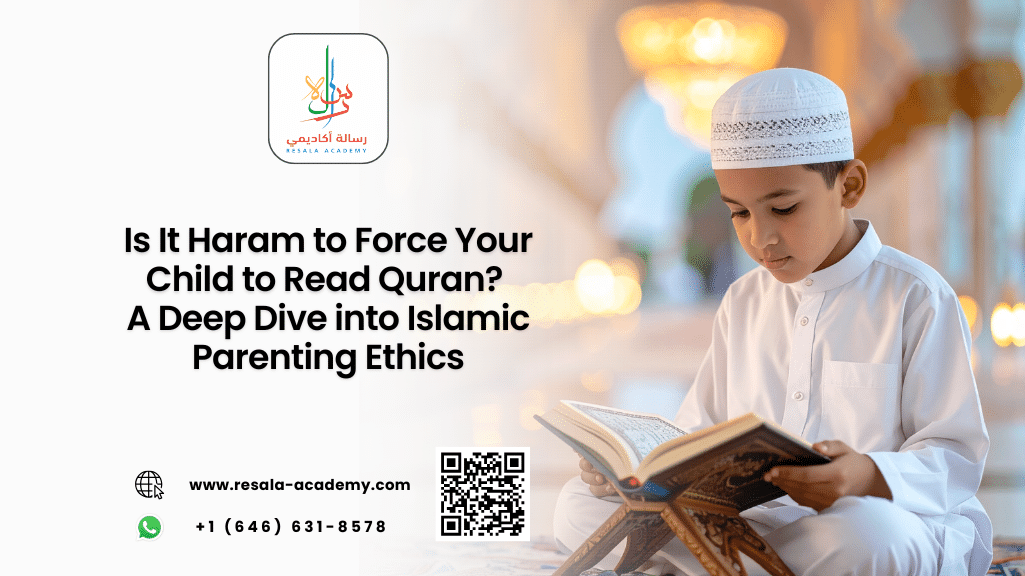
Is It Haram to Force Your Child to Read Quran? A Deep Dive into Islamic Parenting Ethics
In the realm of Islamic parenting, one of the most frequently asked questions is: “Is it haram to force your child to read Quran?” This question touches on the delicate balance between religious duty and ethical parenting. For non-native speakers and Muslim families around the world, especially those striving to raise their children with a strong foundation in Islam, understanding the principles behind this question is essential.
In this comprehensive article, we will explore the Islamic perspective on this issue, referencing the Quran and authentic Hadith, and provide guidance for parents who want to nurture a love for the Quran in their children without resorting to compulsion. We will also highlight the role of trusted educational platforms like Resala Academy in making this journey easier and more effective for non-native speakers.
Understanding the Question: Is It Haram to Force Your Child to Read Quran?
The term haram in Islam refers to anything that is explicitly forbidden by Allah (SWT). When asking whether it’s haram to force a child to read the Quran, we are essentially questioning whether such an action contradicts the ethical and spiritual teachings of Islam.
The Quran is the most sacred text in Islam, and reading it is a form of worship. However, Islam also emphasizes the importance of intention (niyyah), compassion, and wisdom in all actions — especially in parenting.
The Importance of Intention in Islamic Actions
In Islam, every action is judged by its intention. The Prophet Muhammad ﷺ said:
“إنما الأعمال بالنيات، وإنما لكل امرئ ما نوى”
“The reward of deeds depends upon the intentions and every person will get the reward according to what he has intended.”
— Sahih al-Bukhari 1
If a parent’s intention is to instill love and reverence for the Quran in their child, that is commendable. However, if the method involves coercion, punishment, or emotional pressure, it may contradict the spirit of Islamic ethics.
Read more about: Surah Al Naba Explained: Themes, Lessons, and Spiritual Insights for the Modern Seeker
Children in Islam: A Trust and a Mercy
Islam views children as a trust (amanah) from Allah. Parents are responsible for their upbringing, including their religious education. However, this responsibility must be carried out with mercy and understanding.
The Prophet ﷺ was known for his gentleness with children. He said:
“من لا يَرحم لا يُرحم”
“He who is not merciful to others, will not be treated mercifully.”
— Sahih al-Bukhari 6013
This Hadith highlights that mercy is a core value in Islamic parenting. Forcing a child to read the Quran without considering their emotional and psychological readiness may not align with this principle.
The Quran’s Guidance on Teaching with Wisdom
The Quran itself emphasizes the importance of wisdom and good instruction:
ٱدْعُ إِلَىٰ سَبِيلِ رَبِّكَ بِٱلْحِكْمَةِ وَٱلْمَوْعِظَةِ ٱلْحَسَنَةِ ۖ وَجَـٰدِلْهُم بِٱلَّتِى هِىَ أَحْسَنُ ۚ
“Invite ˹all˺ to the Way of your Lord with wisdom and kind advice, and only debate with them in the best manner.”
— Surah An-Nahl 16:125
This verse clearly advises that religious guidance should be delivered with wisdom and kindness — not force or harshness. Applying this to parenting, it becomes evident that nurturing love for the Quran is more effective than compelling a child to read it.
Is It Haram to Force Your Child to Read Quran? The Scholarly Perspective
Islamic scholars generally agree that while teaching the Quran is an obligation for Muslim parents, forcing a child in a way that causes harm, hatred, or trauma is not permissible.
Key Points from Scholars:
- Obligation: Teaching children the Quran is a duty.
- Method: The method must be age-appropriate, compassionate, and engaging.
- Avoiding Harm: Any form of physical or emotional harm contradicts Islamic ethics.
The Role of Resala Academy in Nurturing Quranic Love
For non-native speakers, teaching children the Quran can be a challenge. This is where Resala Academy plays a crucial role. As a leading online Islamic academy, Resala Academy offers:
👨🏫 Qualified native Arab teachers
📖 Personalized Quran and Arabic classes
🌍 Programs designed for non-native speakers
🧠 Child-friendly teaching methodologies
💻 Flexible online schedules for busy families
Their approach focuses on inspiring love for the Quran rather than enforcing it. This aligns perfectly with Islamic ethics and the teachings of the Prophet ﷺ.
How to Encourage Your Child to Love the Quran (Without Forcing Them)
Here are some practical, Islamic-based strategies to help your child connect with the Quran:
Lead by Example
- Let your child see you reading and reflecting on the Quran.
- Share stories from the Quran during bedtime.
Make Quran Learning Fun
- Use interactive tools and games.
- Enroll in engaging online Quran classes like those at Resala Academy.
Praise and Reward
- Celebrate milestones in Quran memorization.
- Offer small rewards for consistent effort.
Create a Quranic Environment
- Play recitations at home.
- Decorate their room with Quranic verses.
Be Patient and Gentle
- Avoid yelling or punishment.
- Understand that every child learns at their own pace.
What If My Child Refuses to Read the Quran?
This is a common concern. Instead of resorting to force, consider these steps:
- Understand the reason: Is it boredom, difficulty, or lack of understanding?
- Talk to them: Ask how they feel about the Quran.
- Seek help: A qualified teacher from Resala Academy can make a big difference.
- Be consistent: Small, daily efforts are better than long, forced sessions.
Psychological Impact of Forcing Quran Reading on Children
Understanding the psychological implications of religious instruction is crucial, especially when addressing the question, is it haram to force your child to read Quran. While spiritual development is a noble goal, the emotional and cognitive state of the child must be considered to avoid long-term adverse effects.
- Cognitive Resistance: Forcing a child to engage in Quranic reading without internal motivation can lead to mental fatigue and resistance, making them associate the Quran with stress rather than serenity.
- Emotional Detachment: Coercion may result in emotional distancing from the Quran, where the child sees it as a burden rather than a source of guidance and comfort.
- Loss of Spiritual Curiosity: Children naturally explore faith through curiosity. When forced, this curiosity is replaced by fear, which can hinder their spiritual growth.
- Reduced Retention: Studies in educational psychology show that voluntary learning leads to better retention. A child forced to memorize Quranic verses may forget them quickly due to lack of engagement.
- Identity Confusion: Especially for non-native speakers growing up in non-Muslim environments, being forced into religious practices without understanding their significance can cause internal conflict and identity confusion.
Cultural Sensitivity and the Role of Language in Quranic Learning
In multicultural households and among non-native speakers, the question is it haram to force your child to read Quran becomes even more nuanced when considering linguistic and cultural barriers. Effective Quranic education must be tailored to the child’s background and language proficiency.
- Language Accessibility: Forcing a child to read the Quran in Arabic without understanding it can create a disconnect. Platforms like Resala Academy bridge this gap by teaching both Quranic Arabic and meaning simultaneously.
- Contextual Learning: Children benefit more from learning the Quran when they understand the context of the verses. This approach fosters appreciation rather than obligation.
- Cultural Integration: In non-Arabic-speaking households, integrating Quranic education with the child’s cultural environment (through stories, visuals, and relatable examples) enhances receptivity and spiritual connection.
- Bilingual Reinforcement: Teaching Quranic concepts in both Arabic and the child’s native language ensures deeper comprehension and emotional resonance.
- Customized Curriculum: Resala Academy offers culturally sensitive, level-based programs that respect the child’s pace and background, avoiding the pitfalls of forced learning and promoting genuine interest.
These specialized insights reinforce the importance of compassionate, personalized Quranic education over coercion, especially for families navigating linguistic and cultural diversity.
A Divine Invitation: Let Resala Academy Guide Your Child’s Quranic Journey
If you’re struggling to teach your child the Quran without conflict, it’s time to try a new approach. At Resala Academy, we specialize in:
- Building a positive relationship with the Quran.
- Teaching with love, patience, and professionalism.
- Offering customized programs for every age and level.
Let your child fall in love with the Quran — not fear it. Join the thousands of families who have transformed their Quranic journey with Resala Academy. Start your child’s journey today!
Frequently Asked Questions (FAQs)
1. Is it haram to force your child to read Quran if they are being stubborn?
No, it is not haram to encourage your child to read the Quran. However, using force, threats, or emotional manipulation can be considered unethical and counterproductive. Islam encourages teaching with wisdom and compassion. Resala Academy offers gentle, effective methods for Quran learning.
2. At what age should I start teaching my child the Quran?
You can start introducing the Quran as early as age 3–4 through listening and storytelling. Formal learning can begin around age 5–7, depending on the child’s readiness. Resala Academy offers age-appropriate programs for all levels.
3. What if my child doesn’t understand Arabic?
That’s completely normal for non-native speakers. Resala Academy specializes in teaching Arabic for Quranic understanding, making it easier for children to connect with the meanings behind the verses.
4. How can I make Quran learning enjoyable for my child?
- Use visual aids and stories.
- Enroll in interactive online classes like those at Resala Academy.
- Celebrate small achievements.
- Make it a bonding activity rather than a chore.
5. Can online Quran classes really help my child?
Absolutely! Online platforms like Resala Academy provide access to qualified teachers, flexible schedules, and engaging content tailored for children. Many parents report improved motivation and understanding through these classes.
Conclusion
So, is it haram to force your child to read Quran? While the intention to teach the Quran is noble and encouraged, the method matters greatly in Islam. Forcing a child in a way that causes fear or resentment may not align with the compassionate teachings of the Quran and the Sunnah.
Instead, focus on nurturing love, curiosity, and reverence for the Quran. With the right tools and guidance — like those offered by Resala Academy — you can help your child build a lifelong connection with the Book of Allah. Let your child’s Quranic journey be one of joy, not judgment.
📩 Have questions? Reach out to their support team and start a free trial today!